


When choosing solar roof ventilation in Darwin and the Top End, airflow is only part of the picture. In a cyclonic region, anything installed through the roof also needs to be designed with demanding local conditions in mind.
Solatube Solar Star is a cyclone-rated, solar-powered roof ventilation system that has been physically tested for cyclonic conditions. It combines high airflow with purpose-designed roof flashing, helping create a complete ventilation solution rather than simply adding a fan to the roof.
Key takeaways
- Solar Star is cyclone rated and designed for Top End conditions.
- The RM1600 delivers 970 m³/h of airflow using solar power.
- Purpose-designed flashing is available to suit specific roof profiles.
- Powered ventilation can reduce the number of roof penetrations compared with multiple wind-driven vents.
- Airflow, cyclone testing and roof compatibility should all be considered when choosing roof ventilation.
Why Take the Risk With an Untested Roof Penetration?
Every roof ventilator becomes part of the building envelope once it is installed. That means the ventilator, flashing, fixings and connection to the roof all play a role in the finished system, particularly in areas exposed to cyclonic conditions.
Choosing a roof ventilation system that has been physically tested provides greater confidence in how the complete penetration has been designed to perform. For homes and projects in Darwin and the Top End, this should be considered alongside airflow and ventilation performance.
With Solar Star, you get:
- Cyclone-rated roof ventilation
- High-performance powered airflow
- Purpose-designed roof flashing
- Fewer roof penetrations than multiple wind-driven vents
- More available roof area for other uses, including solar PV
Why Roof Ventilation Matters in the Top End
Roof ventilation helps move heat and moisture out of the roof cavity while maintaining airflow through the space above the ceiling. This can be particularly useful in warmer climates, where the roof is exposed to strong sunlight throughout the day.
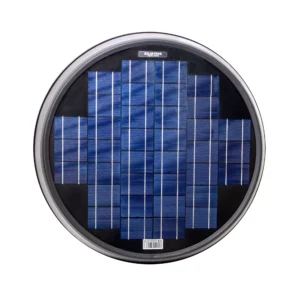
Solar Star uses energy from the sun to power an active fan, providing ventilation while daylight is available. Unlike a wind-driven vent, it does not rely on wind to turn the ventilator, allowing the system to actively move air through the roof space.
Built for Australian Conditions
Solatube has supplied solar-powered roof ventilation in Australia for more than 20 years, including more than 15 years of Northern Territory cyclone compliance. The Solar Star RM1600 combines that experience with high airflow and roof-specific flashing solutions.
The RM1600 delivers 970 m³/h of airflow, with airflow tested to ISO 5801 through a NATA-approved testing process. Its solar-powered operation means the system can ventilate the roof space during daylight without relying on mains electricity.
| Cyclone compliance | NT Deemed to Comply listed |
| Airflow | 970 m³/h |
| Airflow testing | NATA-approved testing to ISO 5801 |
| Motor | Solar |
| Roof flashing | Purpose-designed roof profile solutions |
| NT DTC reference | M/464/01-01 NT Deem to Comply reference |
Solar-Powered vs Wind-Driven Roof Ventilation
Solar-powered and wind-driven roof ventilators are both designed to help move air through a roof cavity, but the way they operate is different. A wind vent relies on available wind to drive the ventilator, while Solar Star uses energy from its solar panel to operate a powered fan.
Solatube states that typical 250 mm wind vents move around 85–100 m³ of air per hour, and that many homes may require multiple wind vents to achieve the desired level of ventilation. Solar Star instead uses a powered fan to provide substantially greater airflow from a single roof ventilator.
| Solar Star | Traditional wind vent |
| Powered by solar energy | Relies on wind |
| Powered fan provides active airflow | Airflow depends on wind conditions |
| High airflow from a single RM1600 | Multiple vents may be required |
| Fewer roof penetrations may be needed | More roof penetrations may be required |
| Purpose-designed roof flashing | Flashing varies by product |
The number of vents needed for any individual home will depend on factors including the size and design of the roof and the ventilation requirements of the property. Solatube recommends assessing the individual roof space rather than assuming the same ventilation solution will suit every home.
Roof Flashing Matters Too
The fan sitting above the roof is only one part of the ventilation system. The flashing connects the ventilator to the roof, making the way it suits the roof profile an important consideration, particularly in cyclonic regions.
Solar Star uses tailored flashing solutions designed for specific roof profiles rather than relying on one generic approach. This helps the ventilation system integrate with the roof as a complete installation.
What to Look for When Choosing Roof Ventilation
When comparing roof ventilation systems for Darwin or another cyclonic region, it is worth looking beyond airflow alone. The performance of the ventilator and the way it becomes part of the roof should be considered together.
Before making a decision, look for:
- Physical testing for cyclonic conditions
- Measurable airflow performance
- Flashing designed for the roof profile
- The number of roof penetrations required
- How the ventilator is powered
- Appropriate documentation for the intended application
These checks can make it easier to compare complete roof ventilation systems rather than choosing a product based only on its appearance or airflow claim.
Cyclone Tested. Cyclone Rated. Built for the Top End.
For solar roof ventilation in Darwin and the Top End, the right system needs to do more than move air. Cyclone performance, roof flashing, airflow and how the ventilator integrates with the roof all matter when choosing a solution built for local conditions.
Solar Star brings those elements together with solar-powered operation, 970 m³/h airflow from the RM1600, purpose-designed flashing and cyclone-tested performance. It is a roof ventilation solution designed with demanding Australian conditions in mind, helping deliver effective airflow without relying on wind or mains power during normal daytime operation.
If you’re planning roof ventilation for a home or project in Darwin, speak with your local Darwin Solatube expert about the right Solar Star solution for your roof type, roof space and ventilation needs.