


We have a quiet crisis in Australia, and it’s growing; around 40% of Australians consistently struggle to get a good night’s sleep. Not only does that come at a high cost to the economy, but it also comes at a great personal cost for those who lack sleep. It increases the risk of accidents and injuries and can contribute to concentration problems and poor dietary habits, too.
However, there is one underused solution available, and it’s backed by silence. Natural light! It’s one of the most powerful tools we have against the battle of bad sleep, and Solatube delivers natural daylighting solutions for dim spaces. You get the sunlight you need to reset your circadian clock, and as a result, you feel better, and your home is more energy efficient, too.
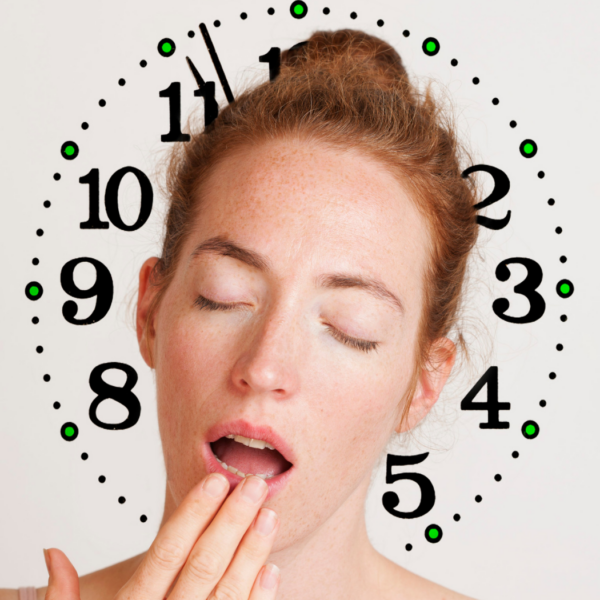
Why Light is a Critical Regulator of Sleep
Understanding Circadian Rhythms
The circadian rhythm is your internal body clock, operating on a 24-hour cycle to regulate your sleep wake cycle. It’s under the control of your hypothalamus, which controls hormone release, body temperature, and alertness and is primarily guided by light exposure. It is essentially your body’s master clock, and its primary cue is light.
When it’s dark, your body knows to produce melatonin to help you sleep, and cortisol typically peaks in the early morning hours to boost alertness as you start your day. The strongest cue your body receives to control the sleep and wake cycle is light. When it reaches your retina, your body knows to stop producing melatonin. When this cycle is interrupted, either by working night shift, shift work, artificial light, or jet lag, it can disrupt your circadian rhythm.
Melatonin, Cortisol, and Their Relationship with Light
Think of melatonin as the hormone of darkness and cortisol as the hormone of light in this context. The pineal gland produces melatonin to induce sleep, and melatonin production increases in the evening, generally peaking somewhere between 2 and 4 am.
When daylight starts to fade, your master clock signals the pineal gland to increase melatonin levels. Likewise, cortisol provides morning energy when morning light triggers its release. Cortisol typically spikes up to three times within 45 minutes of waking, and while cortisol will drive your morning, it declines as the day goes on. The more light you are exposed to as your day begins, the greater the cortisol spike. Serotonin also has an important role to play in regulating your mood and sleep. This neurotransmitter is a precursor to melatonin, and the more serotonin you release, the more there is to convert to melatonin.
What Happens When Light Exposure is Out of Sync
If your light exposure is out of sync and you’re not getting enough light during the day, as is often the case for night shift workers, as well as people who work from home, it can lead to fatigue, mood swings, and insomnia. Conversely, if you’re exposed to too much artificial light, as many office, warehouse, and retail workers are, it can delay the onset of sleep and reduce the quality of your sleep as well.
Scientific Evidence Linking Natural Light and Sleep Quality
You want to enhance sleep quality without relying on sleep medicine to sleep at night. That means resetting your biological clock and getting plenty of light to suppress melatonin throughout the day. How?
Key Research Studies
A study from Monash University highlights that more daylight means a better mood, and it will also improve sleep quality, while an Oura study found that just 30 minutes of morning light, within an hour of waking, can improve the onset of sleep.
You may notice that winter changes your sleep pattern, and it’s down to there being less light in the winter months. A study from Somnology suggests that morning light is even more important in these winter months.
Outdoor vs Indoor Light Exposure
The typical indoor light produces 300 lux while natural light delivers a whopping 10,000+ lux. If you work indoors, you know how harsh the lighting can be. Even the brightest warehouse is too dim to cue the body correctly. Daylight, when it’s overcast, is around 1,000 lux and is still more effective than indoor lighting.
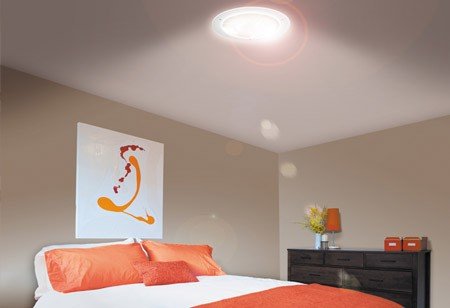
Natural Light vs. Artificial Light
Why Natural Light Works Better
Natural light is full-spectrum and high intensity, which makes it more beneficial for circadian health than artificial light. Due to its dynamic intensity, any type of sunlight throughout the day sends your body the necessary biological signals.
Light therapy is a common approach for people with Seasonal Affective Disorder, but it cannot replace the power of natural sunlight.
How Artificial Light Disrupts Sleep
The blue light from your phone screen, other gadgets and LED lights suppresses melatonin production, interfering with your ability to increase sleep quality. If you’re around bright artificial lights in the evening, whether it’s at work or at home, it will delay your body’s natural sleep cues by mimicking daylight to keep you alert.
Benefits of Warm, Low-Intensity Light at Night
If you want lighting that supports melatonin production, yellow-orange lighting is a must. Likewise, you can set the tone for your evening environment with warm bulbs, accent lighting with lamps, and dimmer
Why This Matters in Australian Homes and Lifestyles
The Indoor Living Problem
According to a study on indoor air quality, Australians spend more than 90% of their time indoors, between work and home life. Unfortunately, many Australian homes have dim light, whether it’s due to windowless hallways, bathrooms, and pantries, tree cover, or poor planning. The reality is, the majority of homes weren’t designed with wellness-focused natural lighting in mind.
Climate, Seasons, and Energy Costs
With seasonal changes and winter clouds, there is a normal dip in natural light exposure, and that also contributes to rocketing electricity bills as you are increasingly dependent on artificial lights. The alternative is Solatube’s Skylight, which will help you reduce your electricity bills and enhance your well-being with adequate natural light at the right times of the day.
Who Benefits Most From Better Daylight Exposure
- Limited daytime light exposure is an issue for indoor workers, and as a result, they often struggle with reduced melatonin production and delayed sleep onset.
- Children benefit greatly from a dose of morning daylight, which will help regulate their sleep timing in those crucial school years.
- Older adults often experience an increase in nighttime awakenings, and daylight exposure can prevent that by supporting a more stable sleep pattern.
- If you struggle with a mood disorder or insomnia, you will benefit from natural light to improve sleep quality by resetting your circadian clock.
- Anyone who lives in a low-light home with poor natural light often struggles the most with circadian misalignment because there is no opportunity to reset their clock.
Six Practical Ways to Use Natural Light to Improve Sleep
How can I get a better sleep?
1. Get Morning Sunlight Within 30 Minutes of Waking
As little as two minutes of sun exposure can make a difference, but try to grab ten; even if it’s just sitting at a window, it can jumpstart your cortisol production and get your circadian rhythm ticking properly.
2. Brighten Indoor Daytime Spaces
You can breathe light into dimly lit areas of your home by using mirrors and windows to create brighter spaces or install a Solatube system to capture natural light. If you have windowless rooms, the Solatube 290DS tubular skylight can channel daylight directly into the space, delivering the same output as a skylight five times larger. Unlike traditional skylights, Solatube’s system eliminates potential leaks, excessive summer heat, glare, and heat loss.
3. Take Midday Light Breaks
Don’t eat lunch hanging over your desk; head outside for a dose of midday daylight. It will help stabilise your mood and your serotonin production.
4. Reduce Bright Light Exposure in the Evening
Warm-toned lighting is a must, but it’s crucial after sunset, so break out the dimmer bulbs, light the candles, turn the lamps on and keep those overhead lights off.
5. Sleep in Complete Darkness
Even a crack of light can disrupt your REM cycle and prevent you from falling into a deep sleep; install blackout curtains or use an eye mask to create the perfect environment for sleep. As for those light-emitting electronics, turn them off at least an hour before you head to bed.
6. Adjust Light Exposure Seasonally
There are two options for the winter months: you can utilise a light therapy lamp to subsidise your light intake, or you can prioritise getting outdoor light at the right times of day. As for the summer months, be sure that you block the early sunrise that can disrupt your sleep.
How Solatube Supports a Healthier Sleep Environment
Benefits of Daylighting Systems
A daylighting system can channel full-spectrum natural sunlight into those dim or dark windowless rooms. There’s no need to worry about heat, glare, or UV rays. Solatube’s systems and skylight accessories are designed to maintain comfort and deliver a sustainable and cost-effective solution that uses zero energy.
Ideal Installation Areas for Circadian Health
If you want to maximise circadian health, consider installing a daylighting system in kitchens, hallways, pantries, interior bathrooms, windowless wardrobes, and any living areas that would benefit from daytime brightness.
How to improve sleep quality: Solatube for Sleep Wellness
If you’re looking for a holistic home design intended to improve sleep quality, daylighting is a must, and Solatube’s Skylight is an effective solution to improve your mood, productivity, and establish a healthy sleep cycle.
Making Natural Light Part of a Sleep-Friendly Routine
Natural light is essential for a healthy sleep-wake cycle, and it’s more effective than artificial lighting by far. Sadly, artificial light in the evening hours can delay your sleep or cause untimely nighttime wakeups throughout the night. Start by being more intentional about the lighting around your house during the daytime and nighttime hours. The best way to build better habits is to start with just one- why not aim to get those crucial early light rays every morning and build your routine from there?
Are you looking to brighten your home with more natural light? Explore how Solatube’s skylights for homes can improve your sleep, brighten your day, and enjoy the benefits of waking up to natural light.
References: