
Rising temperatures, particularly in summer, are turning Australian homes into heat traps with little to no relief. As a result, more Australian households turn to air conditioning to combat the heat, but with rising electricity prices and an increased demand on cooling systems, this is not a long term solution.
The reality is that air conditioning alone isn’t the most effective way to cool down a house. The smartest approach looks at blocking heat, slowing down heat transfer and removing built-up heat before it gets stuck inside the home. By understanding how heat builds up in cavities such as the ceiling and other parts of the home, cooling your home becomes easier.
In this guide, we will break down the most efficient cooling solutions and strategies to keep your home comfortable, energy efficient and cost-effective all summer long.

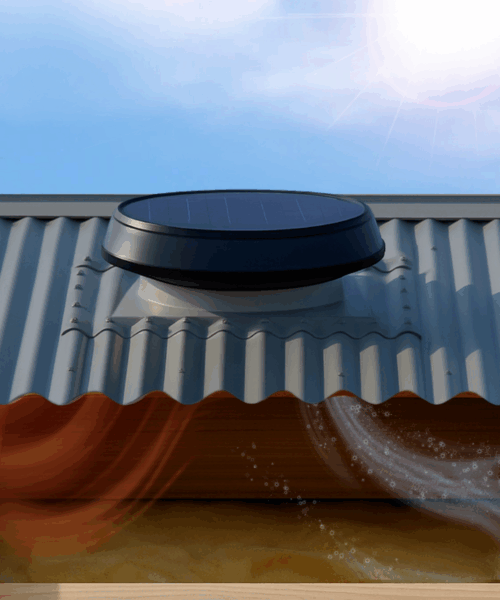
Heat building up in the roof cavities is one of the biggest and most overlooked reasons for a home overheating. On a hot day, roof spaces can reach 60–70°C, trapping heat and turning your ceiling into a pool of trapped heat. This causes the heat to stay in the roof cavities all day, even after the sun has gone down, making bedrooms and living areas continue to stay warm well into the evening. One way to combat heat stuck in roof cavities is by improving airflow in the roof. Solatube’s ventilation solutions help expel hot air before it moves into the home.
Windows and external walls are another heat entry point, which can lead to increased heat buildup. For example, west-facing windows get the harsh afternoon sun and brick or concrete walls absorb heat all day and slowly transfer it into the home. Without proper shading, heat will continue to build up throughout the day.
Another culprit of heat build up with poor indoor air circulation from indoor activities. If you are cooking, taking hot showers, running the dryer or using other electrical appliances, it can all build up heat in the home. When this warm air isn’t extracted, it stays stagnant within the home and creates heat buildup. This can be combated by opening windows and doors to create a cross-breeze or by integrating ventilation systems into the home.
The roof cavity acts like a thermal storage unit, absorbing heat all day and radiating it into bedrooms and living areas. Tackling the heat build-up in your roof is your first line of defence in cooling down a home. When hot air is expelled from the roof space, less heat is transferred into the home below.
Solatube’s roof ventilation systems are one of the most efficient cooling solutions as they continuously remove heat buildup at a low to no cost. For example, Solatube’s whole-house fans work by drawing cool, fresh outdoor air into living spaces, while simultaneously pushing hot, stale indoor air up into the roof cavity and out through roof vents. This natural airflow helps cool the home by replacing stale indoor air with fresh air, while also improving indoor air quality. Solatube’s solar ventilation systems are a cost-effective and energy-efficient solution as they operate entirely on solar energy.
External shading is a fantastic way to reduce heat before it enters the home. Here are our top suggestions for combating heat:
While not as effective in cooling down a house, internal shading options still help:
Insulation and draught proofing can also help reduce heat build-up. Sealing gaps around windows and doors, combined with good ceiling insulation, can help keep cooler air inside and hot air out.
When people think about cooling their homes, the first thought is typically installing air conditioning or ceiling fans. The truth is, the most efficient cooling method is ventilation. This is because it removes heat that is already trapped inside the home.
To get the most out of your ventilation strategies:
The majority of the heat that enters the home is through the roof cavities. Tackling roof ventilation is your strongest defence against heat build-up. Operating solely on solar energy, Solatube’s solar-powered roof ventilators expel hot air from the home without using grid electricity.
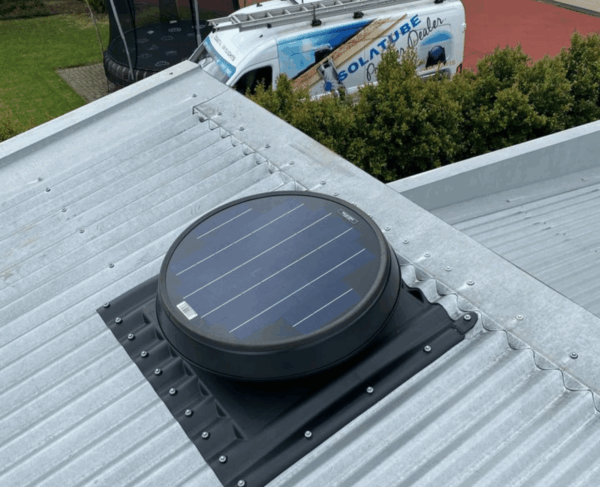
Every day, home activities coming from the bathrooms, kitchens and laundries are the reason for heat buildup internally. Choosing a room ventilation system, such as solar powered room ventilation solution, pulls hot air out from inside the home and prevents it from staying stagnant without additional electricity costs.
One of the most efficient cooling methods is by flushing your home’s heat build-up in the evening or early morning, helping to regulate indoor temperature and make a more comfortable home. Operating silently and effectively, the Solatube’s whole-house fan brings fresh outdoor air in and pushes hot stale indoor air through your roof cavity and out the vents. Rather than recirculating stale air in the home, homes are filled with fresh, cool air.
Fans are an effective and lower-cost way to cool the home. Ceiling fans help create a wind-chill effect that helps make the room feel cooler by 2–3°C. Pedestal fans also help improve airflow. For the best ventilation and house cooling, choose whole-house fans that help flush stale, hot air from out of the home and bring in cool, fresh air.
Air conditioning is most effective when it isn’t fighting against stored heat. By pairing airconditioning with proper shading and ventilation, air conditioners help cool spaces faster and use less energy overall.
Here are the best practices:
Your day-to-day ventilation and cooling habits can greatly improve how cool your home is throughout the day.
Here is a breakdown of what routine to have for optimal results:
Ventilate early before temperatures rise by either opening windows and doors for cross-breeze or running a whole-house fan to flush hot air out of the home. Close windows and blinds once outdoor heat increases.
Keep everything shaded and sealed. If you can, try to limit the use of the oven, dryer, and other heat-producing appliances. If you take a hot shower, make sure to turn on the ventilation fans to expel any hot and humid air.
Get rid of heat buildup by opening windows and using cross-breezes.Homes equipped with whole-home ventilation systems often cool down significantly faster after sunset.
At night, keep a gentle airflow by using fans or opening doors and windows for a continual cross-flow breeze. Using breathable bedding such as linen or cotton can also support night comfort.
Proper ventilation shouldn’t be your only cooling strategy, but it plays a critical role in making all your other efforts more effective. When combined with external and internal shading solutions, as well as cooling systems like air conditioning and fans, ventilation helps tackle heat at the source by removing built-up hot air from roof cavities before it spreads through the home. The result is a cooler, more comfortable living environment throughout summer.
Solatube’s whole-house fans, roof ventilations and room ventilation systems are designed to cool your home and support your other cooling strategies for the most effective cooling.
The most effective way to cool a home starts with good ventilation. It helps prevent hot air from becoming trapped, encourages fresh air to circulate throughout the home, and allows your cooling systems to work more efficiently. By choosing whole-house fans, room ventilation, or roof ventilation systems, such as those engineered by Solatube, you can maintain a more comfortable home year-round while keeping energy bills under control.
Ready to cool down your home at a fraction of the cost? Explore our roof ventilation systems or get in touch with our local dealers today.
Get a free quote from your local premier dealer
All fields are required. Privacy Policy
Please provide your postcode so we can customise your experience and connect you with the right team for your enquiry.
Please provide your postcode so we can customise your experience and connect you with the right team for your enquiry.
Purchasing both the product and installation from one of our local Premier Dealers can offer better pricing due to stock availability and certified installation training.
Enter your postcode for an installation quote from your local dealer.
Certified dealer installation is recommended, but you may use your own trade professional. Installation warranty is only done through the National Dealer network.


